
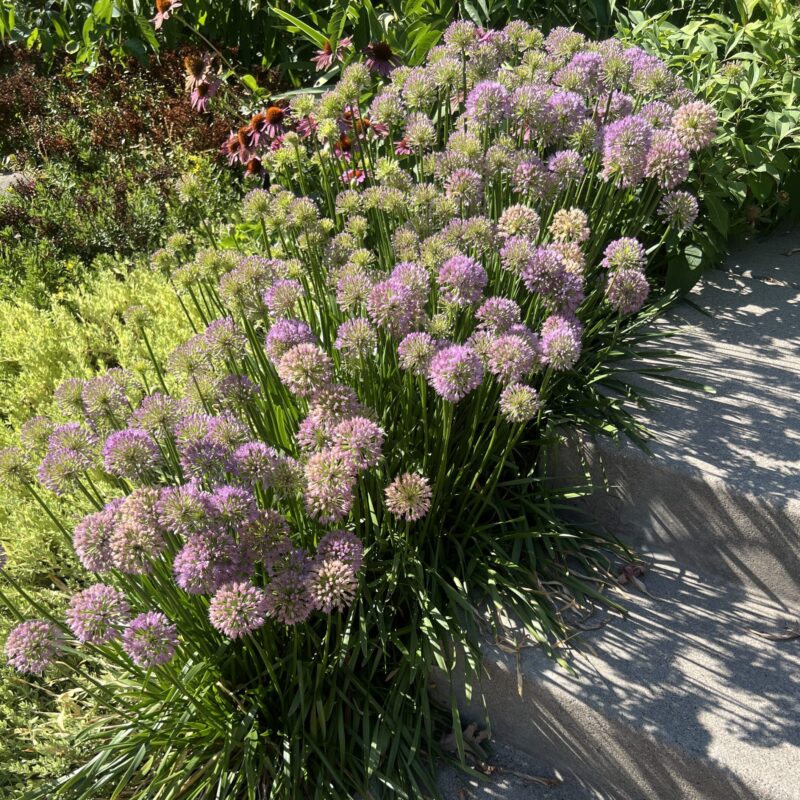
A thoughtfully designed native planting sets your garden up for long-term success while creating habitat for pollinators, birds, and other wildlife. It also looks beautiful! Good design starts with understanding your site, choosing plants that will thrive there, and creating a landscape that works for both people and nature.
To explore what goes into designing successful pollinator habitat, we’re excited to share insights from three Blue Thumb landscape design partners: Liam Magistad of MinnePrairie Ecoscapes, David Pierson of Pierson Garden and Landscape, and Jen Foth Konyn of Wild Twin Gardens. While each designer shares their own perspective and experience, you’ll notice several common themes: work with your site’s natural conditions, be patient as native plants establish, invest in good preparation, and create gardens that feel both welcoming and ecologically rich.
Start by understanding your site.
Before choosing plants or sketching a layout, all three designers emphasized the importance of learning what your site is telling you. Paying attention to sunlight, moisture, existing vegetation, and how people use the space will help you choose plants that naturally belong there.
As Liam explains: “What cardinal direction is the site facing? What microclimates are present? How much sun, shade, heat, and water are present? The more we can work with existing rhythms, the better.”
Jen considers how the landscape functions for both people and wildlife: “The first thing I look at is relationships. Relationships the land has with the client, wildlife, sunlight, water and other external factors.” For example, is this an area where salt is put down, or where there’s high pedestrian traffic?
David encourages gardeners to also look beyond their own yard. “First determine what is growing naturally around you… This is the secret to knowing what type of native planting belongs there… For long term success, choose the correct type of native planting for the neighborhood.”
Good preparation leads to long-term success
Another message came through loud and clear: successful native gardens don’t happen by accident. Take time to prepare your site, choose plants suited to your conditions, and think about how plants will look in your yard at a mature size.
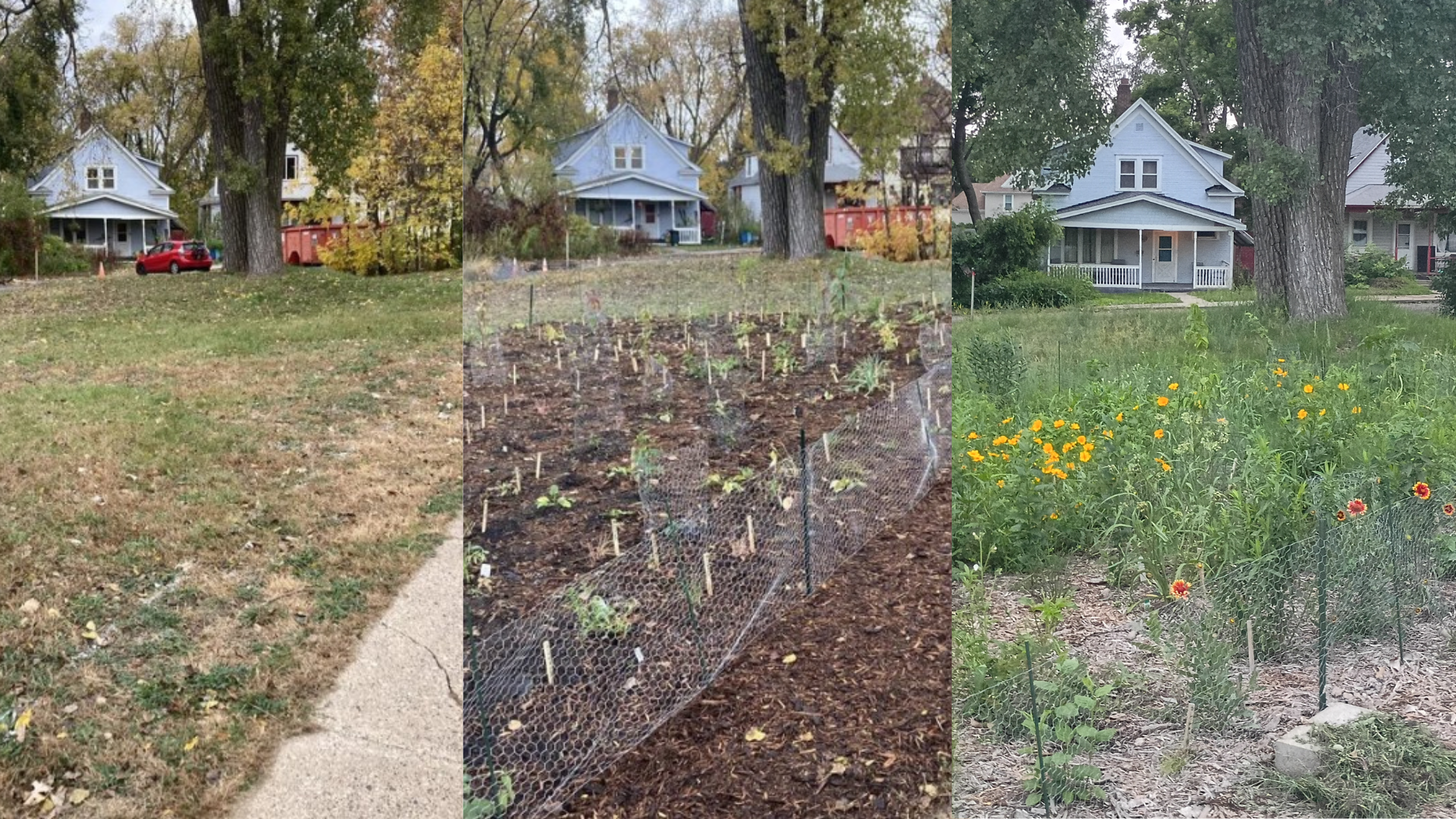
Liam notes that native landscapes are low maintenance—but not maintenance-free. Skipping the prep work and maintenance is a common mistake. Solarizing for longer periods can help reduce weeding down the line. “Native plants often grow slower than invasives, so if you don’t weed, you could be giving them a leg-up on your new install.”
For seeding projects, David recommends matching the seed to the site. Identify which plants are thriving in your area’s gardens and parks. “At Pierson Garden and Landscape, we seed heavier than recommended plus design seed dispersion by height. No one wants an 8-foot cup plant hanging over a walkway!”
Jen also encourages gardeners to think ahead by considering mature plant size and sunlight requirements before planting. “Many people are surprised by how big their plants get! Another common mistake is not considering sunlight needs. Often people plant full-sun plants in mostly shade and wonder why they aren’t thriving or blooming. Those little tags that come with your plant are a helpful guide—I always encourage people to follow them.”
Favorite plants that deliver
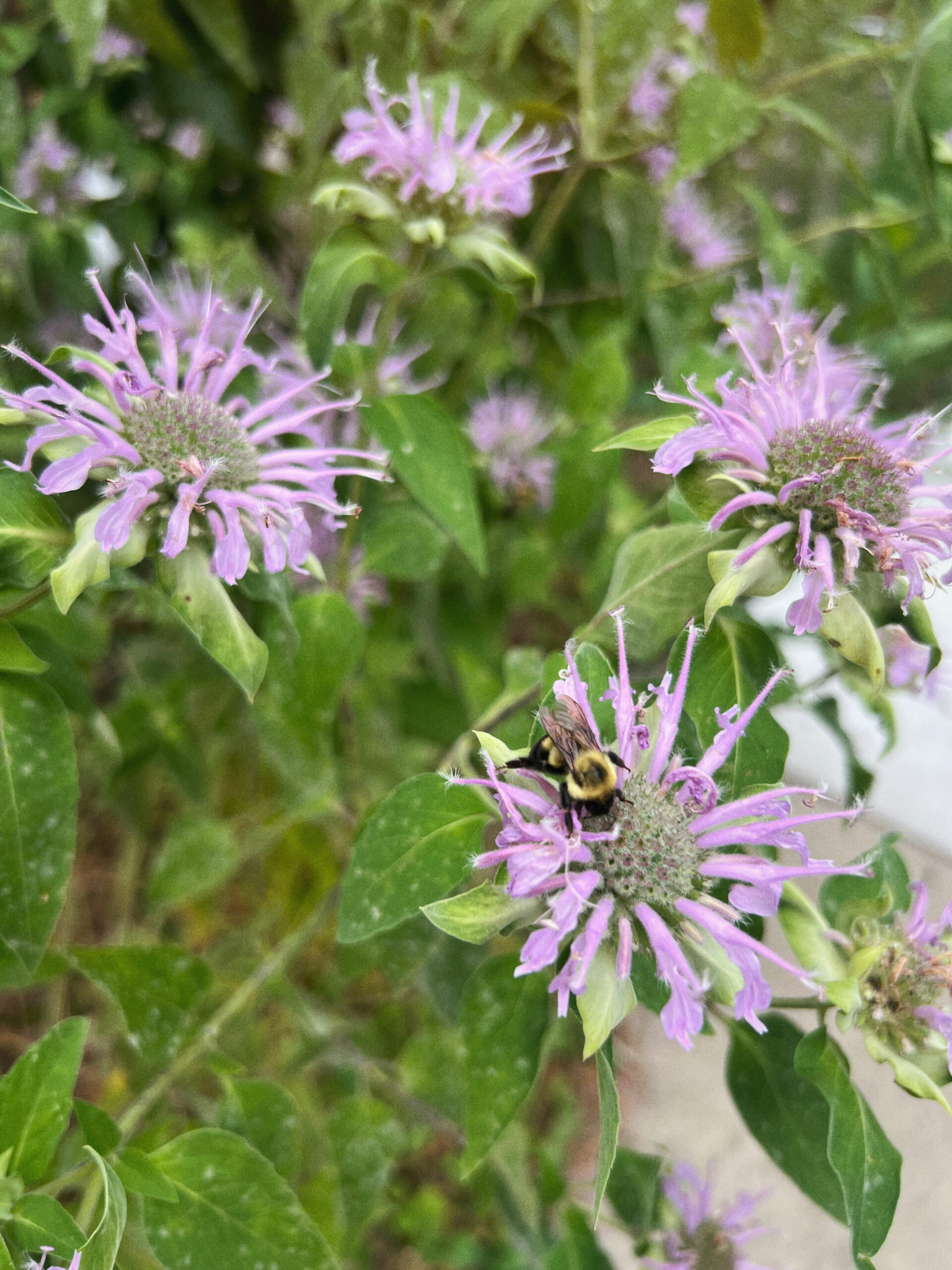 Although each designer has their own favorites, several plants were mentioned more than once! These plants combine beauty with outstanding habitat value and are excellent choices for many home landscapes.
Liam recommends: “Bee balm, milkweed, goldenrods, liatris, echinacea, and asters! They are able to feed and provide homes to so many different organisms.”
David shares that if your primary goal is to attract pollinators, go for milkweeds, bee balm, hyssop, and asters. If your primary goal is to keep your yard looking tidy and cultivated, butterfly weed and columbine are gems!
Jen is especially fond of bee balm because it’s often the plant that wins people over. “Once you see all the life it brings, you’re hooked!” She also recommends prairie dropseed for adding structure and beauty while providing food for birds.
Native gardens can be beautiful and wild
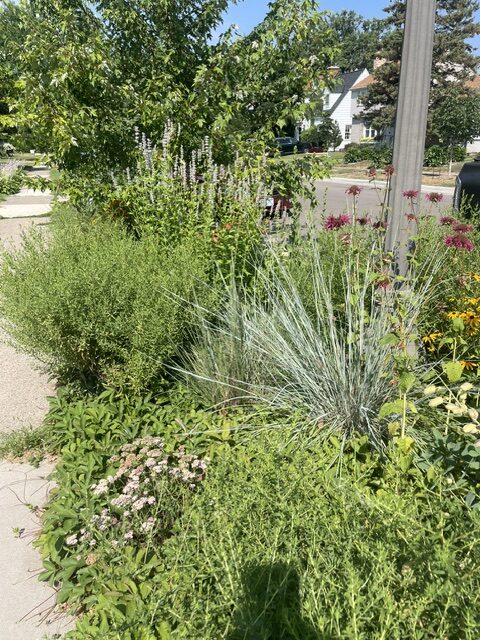
A common misconception is that pollinator gardens have to look messy—but there are many ways to make native landscapes feel intentional while still supporting wildlife!
Both David and Liam note that planting plugs with mulch often creates a more intentional final result versus simply spreading a seed mix.
Jen creates structure by arranging plants according to their mature height. “I like to keep the taller natives in the middle or toward the back of a design, with the shorter ones flanking the edges of the garden.” She also incorporates both native flowering plants and grasses, which creates structure and pattern.
Liam points out that we can also work towards changing norms and expectations. Each year your garden will look different, and that’s part of the beauty! Even for a mature planting, predominant species will change and shift. Don’t be afraid to “edit” and cut back plants as you need to.
The reward: watching nature return
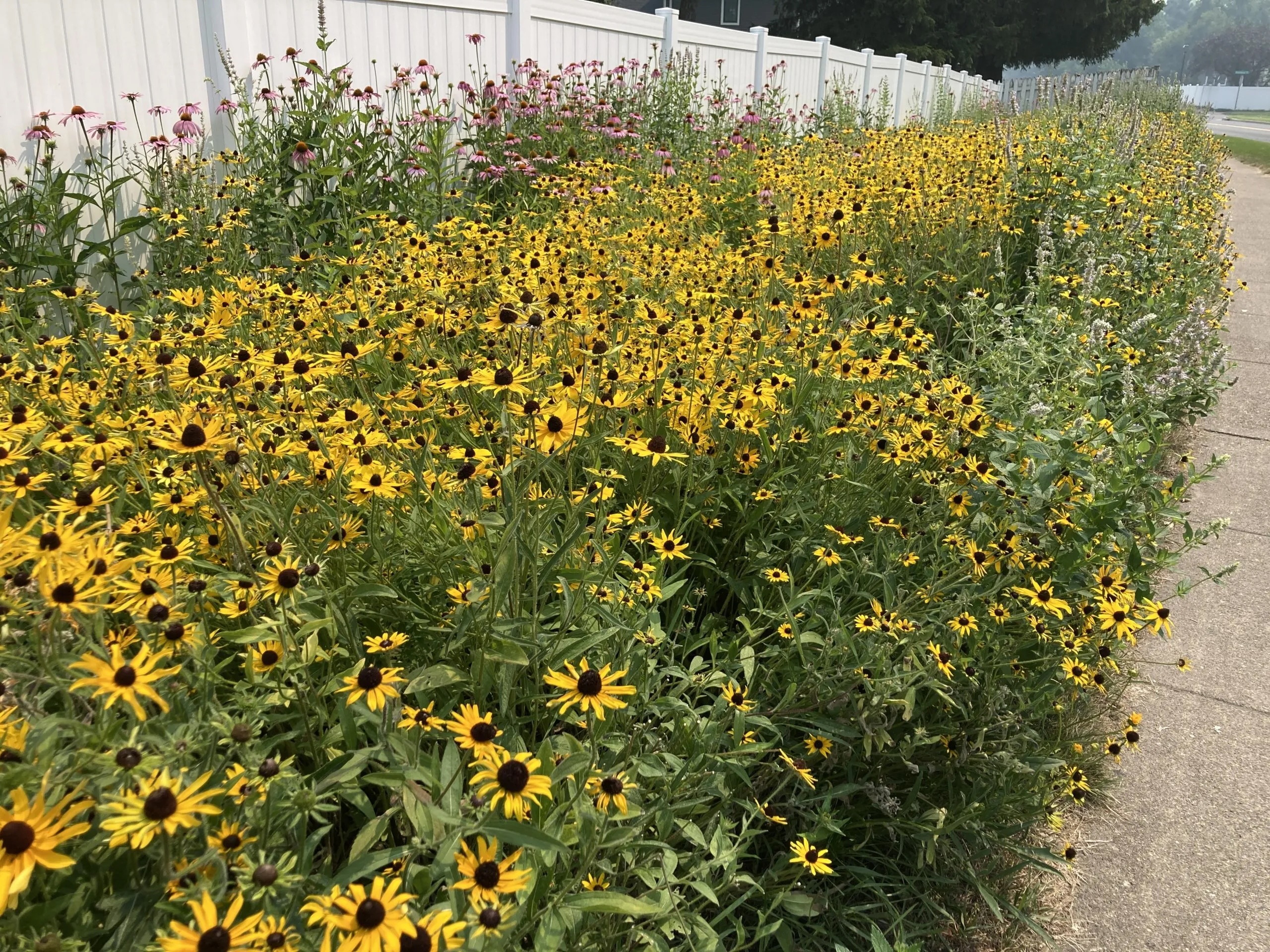
When asked what they love most about designing with native plants, all three designers came back to the same answer: seeing life they bring.
Liam loves watching life rush back to new plantings. “It doesn’t take much time at all to make an incredible difference, and there is a ton of hope to be found in doing the hard work of bringing habitat back.”
David loves seeing beautiful gardens inspire entire neighborhoods. “We love getting calls from neighbors asking for a garden just like another one we did down the street!”
For Jen, the joy comes from continually discovering new connections between native plants, wildlife, and people. “There are always new learnings!”
Start small—and be patient
Designing your first pollinator garden can feel intimidating, but our partners agree that the most important step is simply getting started.
“Go for it!” Jen shares. “Don’t fret too much. Nature will be a helpful teacher, and you can always make adjustments along the way.”
And while native gardens take time to grow in—as Liam shares, prairies often take at least three years to establish—”it’s worth the wait.” And every season gives new opportunities to learn!
By working with your site’s natural conditions, choosing the right plants, preparing carefully, and giving your garden time to grow, you’ll create habitat that’s resilient and full of life.
Connect with Our Partners
More Resources
Want to dive deeper into native garden design? Join us for Designing with Native Plants: Strategies for Home Landscapes on Tuesday, August 11, from 6:00–7:00 p.m. Central. Alyson Phillips of Sassy Daffodil Garden Consulting will share practical design strategies, plant selection tips, and resources to help you create a sustainable, resilient landscape.
You can also sign up for Lawns to Legumes: Habitat at Home, our free educational program that helps Minnesotans create and care for pollinator-friendly landscapes throughout the summer and fall. Each month, participants receive seasonal guidance, helpful resources, and opportunities to connect with others creating habitat across the state. We’d love to have you join us!
– Megan Reich, Metro Blooms Communications and Program Manager