
By guest author Nina Gropp
Pollinators and plants have been shaping each other’s evolution for millions of years, forming relationships that are both fascinating to observe and essential to functioning ecosystems.
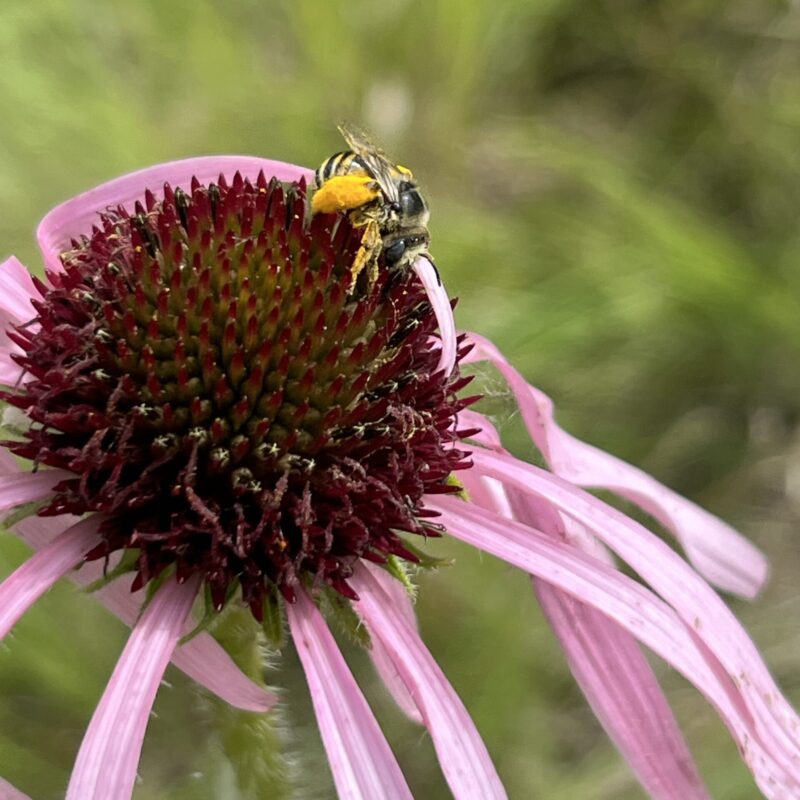
Scientists believe that beetles were the first pollinators, unintentionally moving pollen while feeding on flowers about 130 million years ago. Flowering plants responded by adapting a rich variety of bloom timing and flower color, size, shape, and smell to attract pollinators who sought out their nutritious pollen and nectar. In turn, pollinators evolved physical or behavioral traits, like specialized hairs or body vibration techniques, to more efficiently collect these floral rewards. This co-evolution has resulted in diverse and complex plant-pollinator relationships.
As you incorporate more native plants into your space, you may start to notice these patterns for yourself. By paying attention to when flowers bloom and how they look, smell, and offer resources, you can uncover clues about the remarkable partnerships that help native plants and pollinators survive (and thrive) together.
Flower Timing
Phenology, or the timing of biological activity, is one way in which flowers can be closely linked with specific pollinators. While there are plants that bloom throughout the growing season and attract many generalist pollinators, there are some that maintain a narrow window of bloom time.
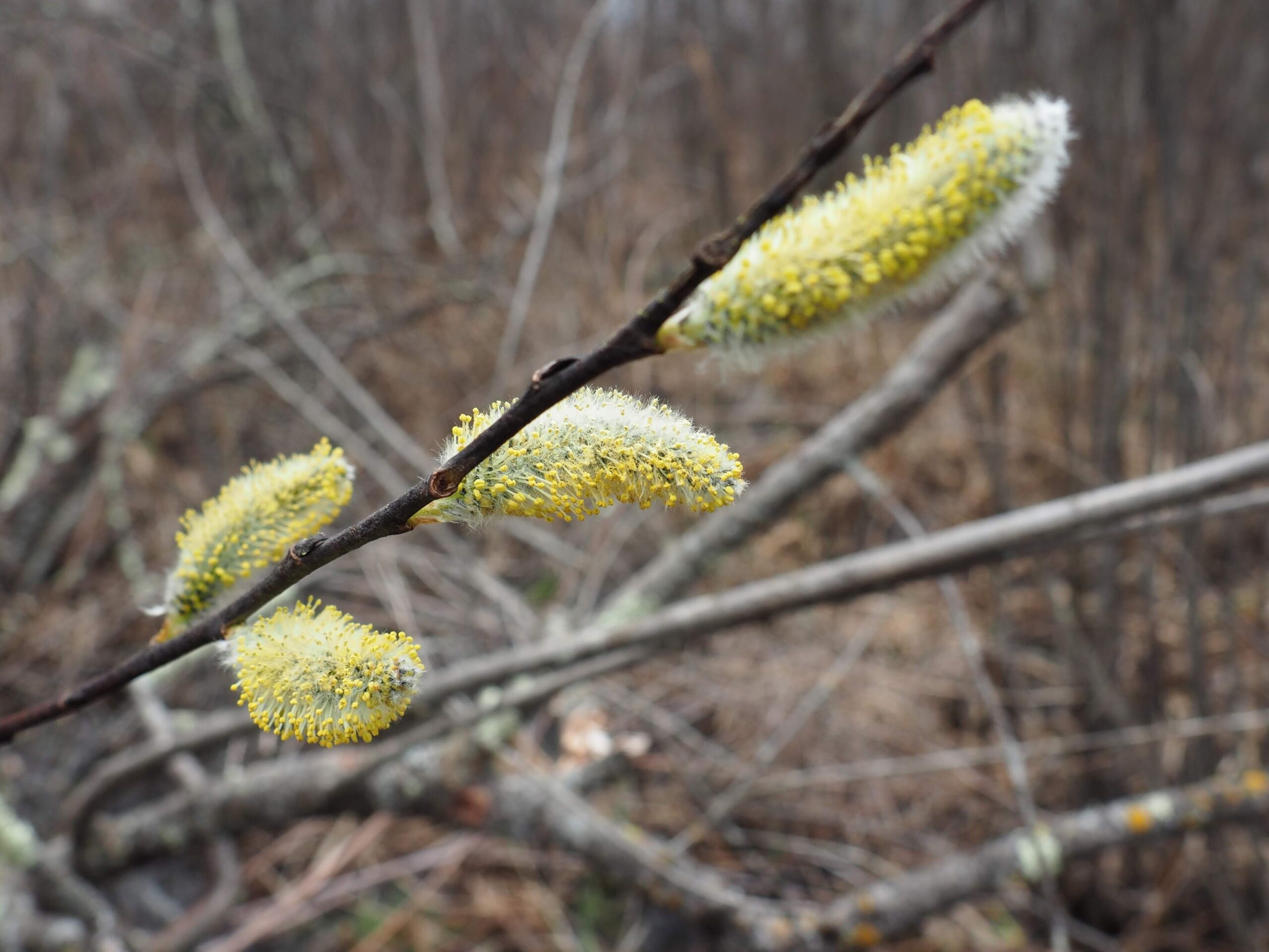 In early spring, here in Minnesota, there are 11 species of mining bees (genus Andrena) that are specialists on willow plants (genus Salix). Specialists have restricted diets, and in this case, Salix species are the only plants these bees will forage from. These mining bees are some of the first solitary bees to emerge in the spring, and they are synced to be dependent on these early blooming willows.
By incorporating native plants with diverse bloom times – particularly early spring and late fall blooms – you might see some of these shoulder season pollinators. Trees and shrubs, like willows, are fantastic spring-blooming resources for early-emerging pollinators. The next time you spot a willow flowering in spring, take a closer look—you may find some of Minnesota’s earliest native bees hard at work among the blooms!
Flower Color
 When pollinators are zooming around, they see the floral landscape differently than we do. Bees can see in the ultraviolet range, and many flowers have ultraviolet patterns that humans can’t perceive. While bees can unlock these hidden patterns, they have a limited ability to see the color red.
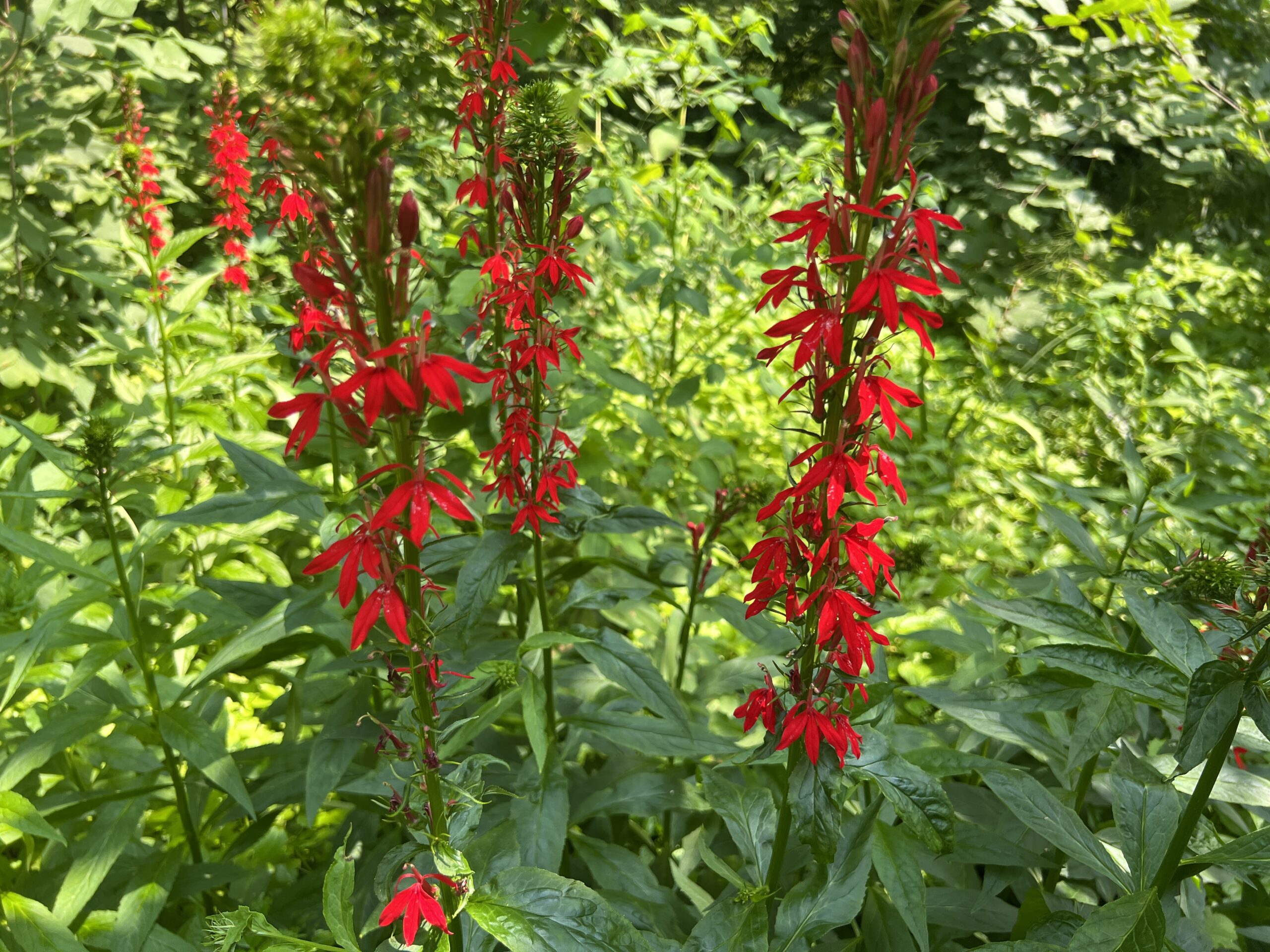
If you incorporate red flowers like cardinal flower (Lobelia cardinalis) in your garden, you’re more likely to see other visitors such as butterflies and hummingbirds, which have no trouble seeing red. As you observe flowers this summer, notice whether certain pollinators seem drawn to particular colors. You may start to spot patterns in who visits what.
Flower Shape and Size
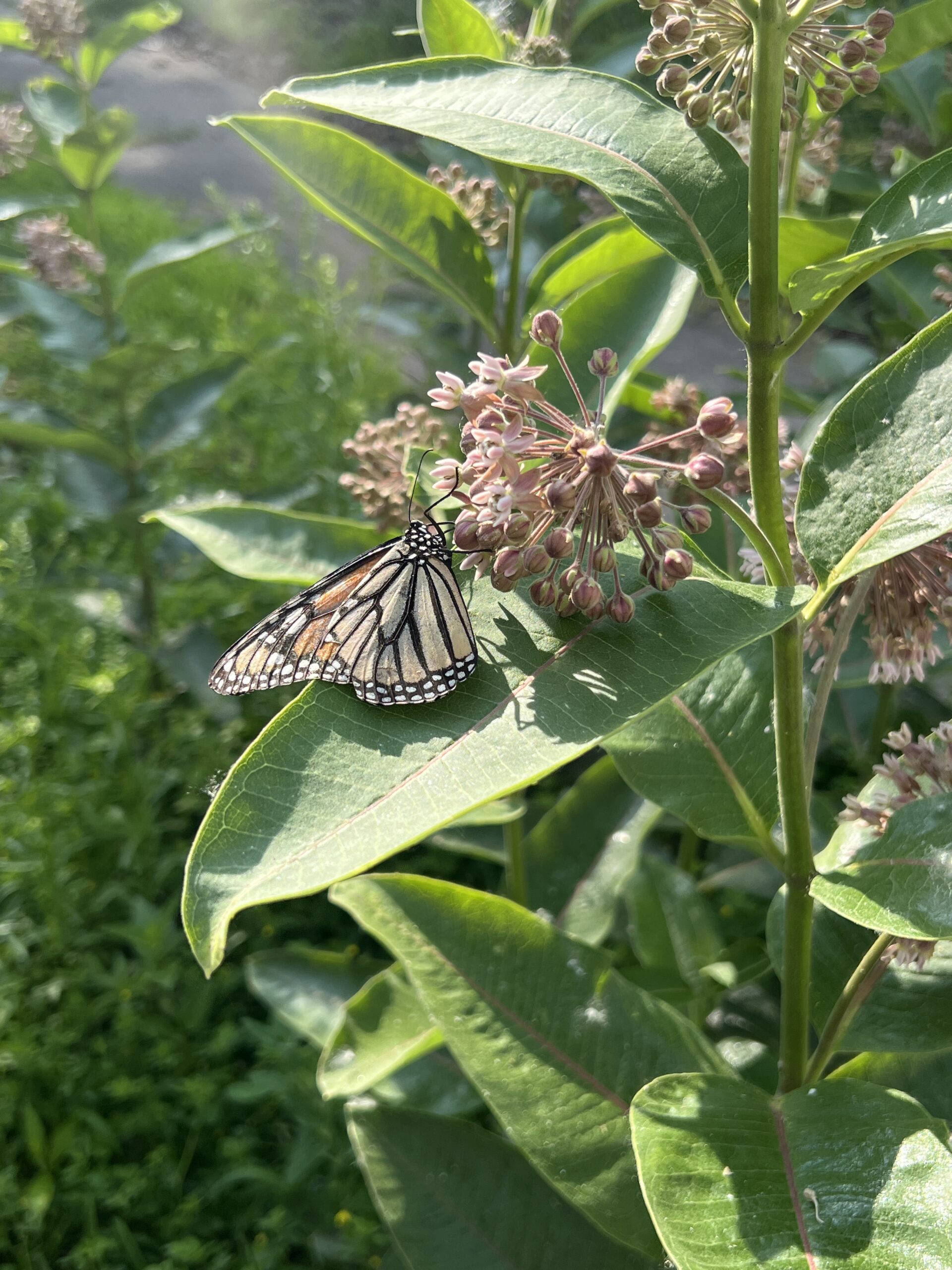 The size and shape of a flower can tell you a lot about the type of visitors you might see. For example, deep, tubular flowers are perfect for our moth and butterfly pollinators. They have a long, straw-like mouthpart called a proboscis for finding nectar deep in a flower.
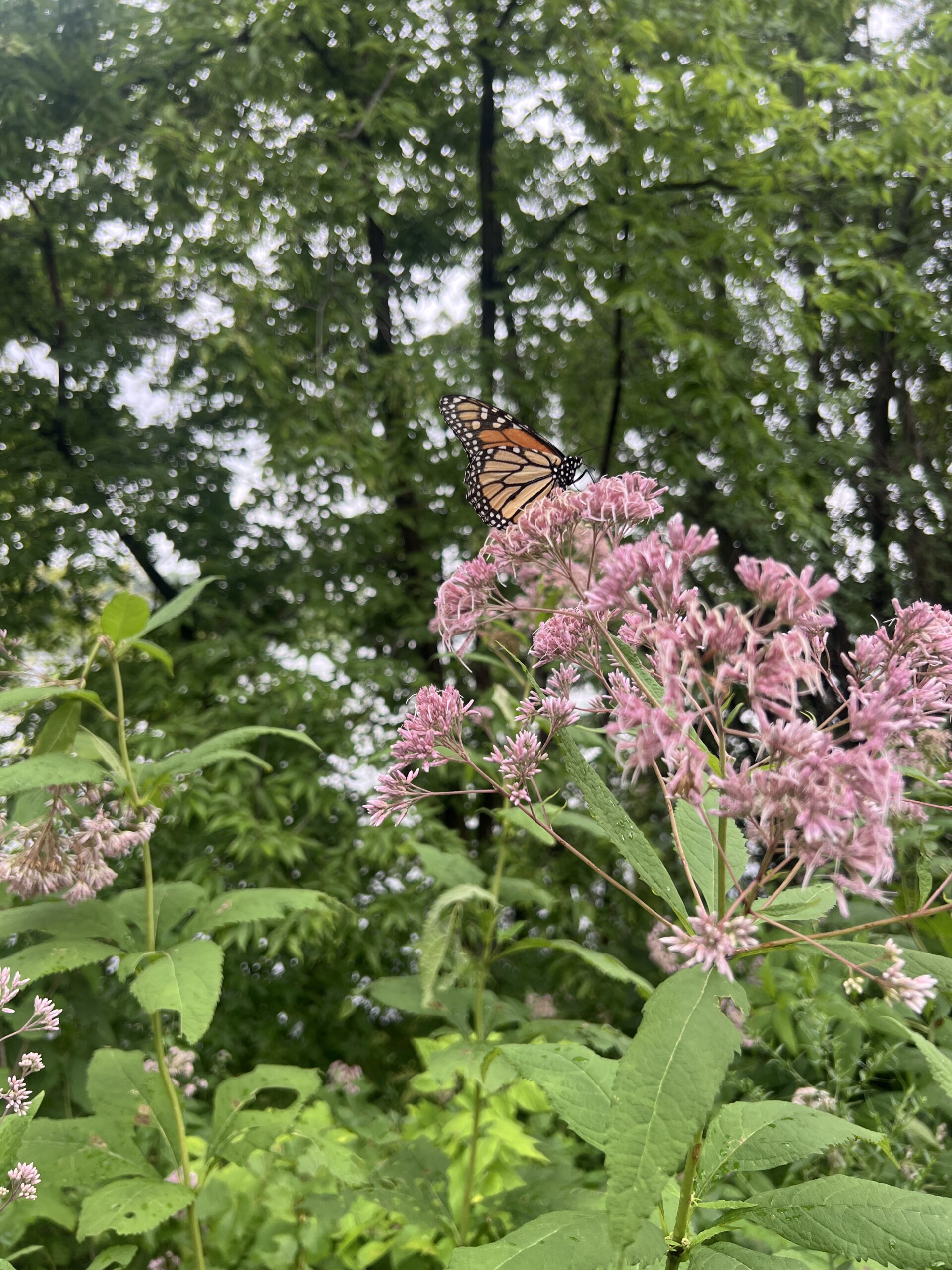
While you might see moths hovering while they drink nectar from a flower, butterflies can’t hover while they feed. They prefer large flowers or clusters of flowers, like Butterfly Weed (Asclepias tuberosa), so they can land before they sip. Other clustered flowers that are shallow, like sunflowers and other members of the aster family, are attractive to flies, beetles, and short-tongued bees due to their easier access to floral rewards.
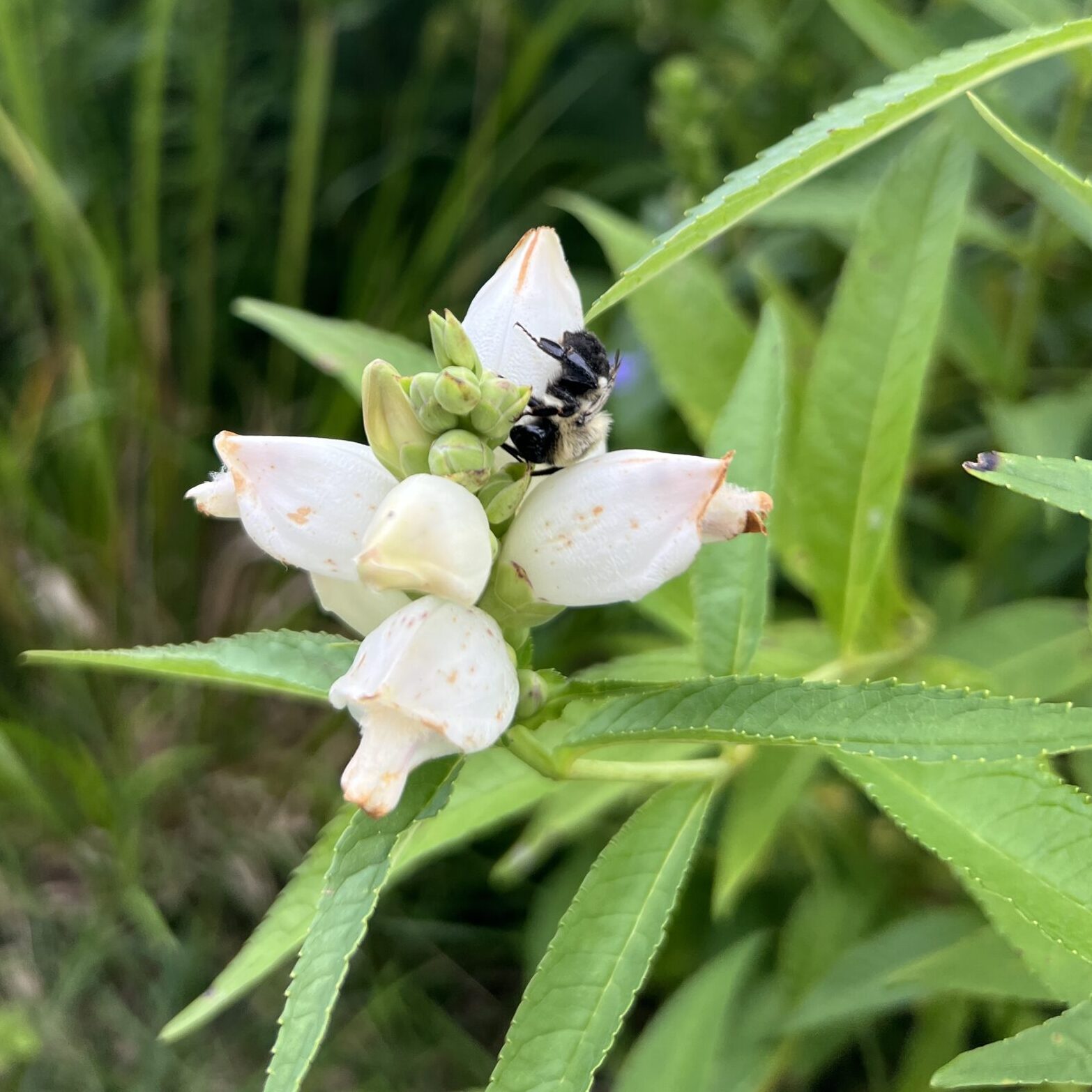 Some flowers use their shape to make pollinators work for their reward. Bottle gentian (Gentiana andrewsii) has closed flowers and is primarily pollinated by bumble bees because they are the only pollinators strong enough to pry the flowers open.
If you spend a few minutes watching a flower patch, notice how different insects interact with different flower shapes. Which visitors seem to have an easy time accessing nectar, and which have to work a little harder?
Flower Smell
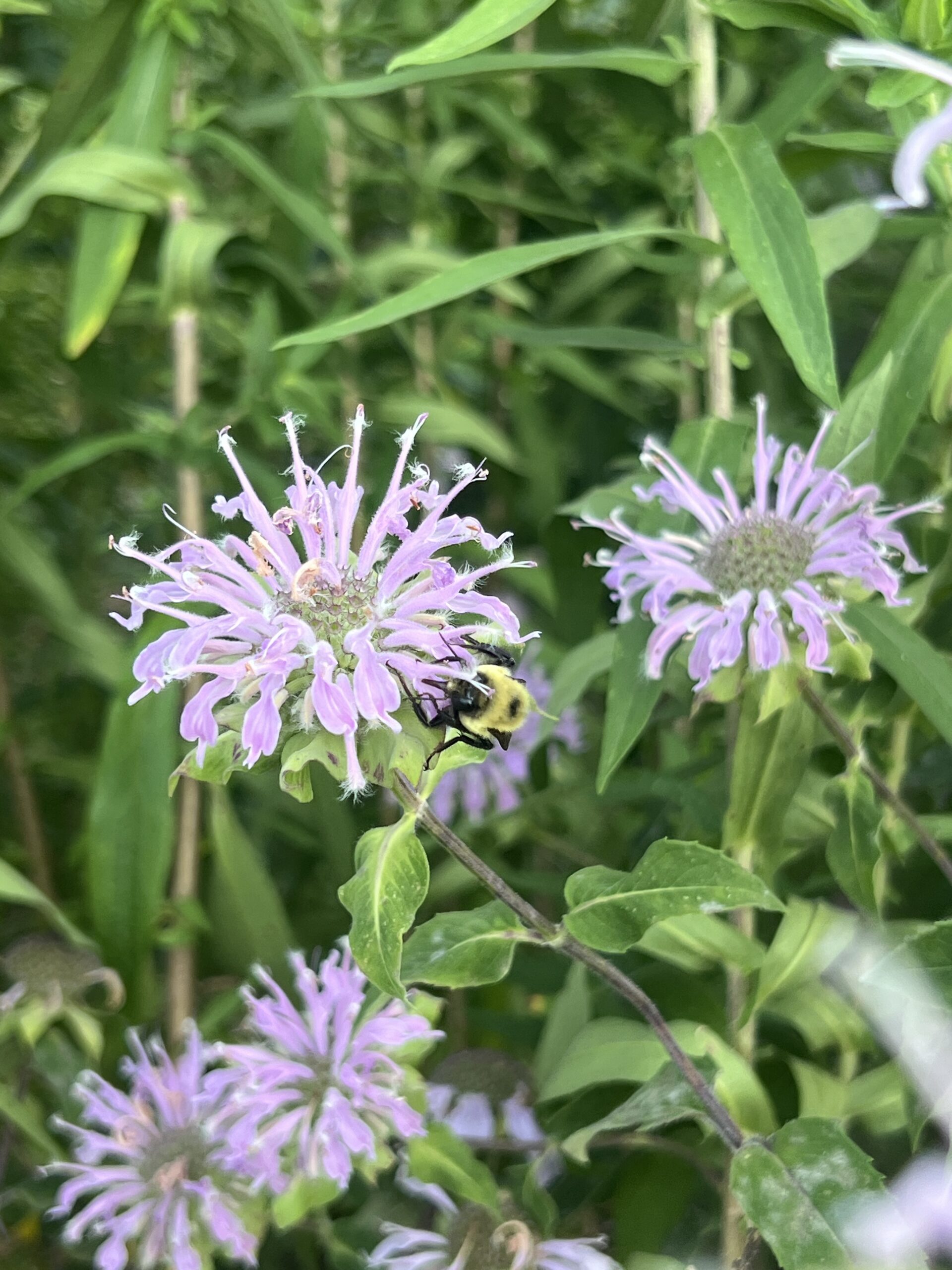 Insect pollinators live in a chemical world, using their antennae to smell, and their feet and mouthparts to taste. Floral scent can be another clue to who you may see visiting your garden. Bees are largely attracted to fresh, sweet floral scents such as flowers in the mint family, like Bee Balm (Monarda fistulosa) and Mountain Mint (Pycnanthemum virginianum). Beetles are typically attracted to spicy or sweet and fruity smelling blooms like goldenrods. Funky and musky scents, like Rattlesnake Master (Eryngium yuccifolium), will attract our fly pollinators.
While we can’t experience scent the way insects do, try gently smelling different flowers in your garden and consider how these fragrances might help pollinators find them.
Reward Nutrition
 While we may be familiar with the visual and olfactory cues of flowers, scientists are finding that more cryptic floral cues may drive pollinator visitation. There is evidence that bees forage for specific nutrient content in their pollen, specifically protein and lipid content. Bumble bees have even been observed taste testing flowers to ensure they are foraging for nutritious pollen. Scientists are still uncovering the different nutritional preferences of different species of bees.
These findings further support the need to plant diverse flowering plants so bees can find what they need to meet their nutritional requirements throughout the seasons.
Observing Plant-Pollinator Partnerships
While you are in your garden or out for walks this summer, observe what relationships are going on around you. What makes our native plants the perfect companions for our native pollinators? Is there any way you could incorporate new plants into your garden to support more pollinators?
Whatever you observe, consider submitting an observation to community science apps like iNaturalist so we can learn more about how these organisms rely on each other.
Related Resources
- Sign up for Lawns to Legumes: Habitat at Home, a free educational program that helps Minnesotans create and care for pollinator-friendly landscapes this summer and fall. Each month, participants receive seasonal guidance, resources, and opportunities to connect.
- As part of our July Habitat at Home theme, Getting to Know Your Pollinator Neighbors, join us on July 27 at 6 pm Central for a special webinar with experts from the University of Minnesota Bee Lab! We’ll explore Minnesota’s incredible diversity of pollinators, and learn how to identify Minnesota bees and other floral visitors like butterflies, wasps, and flies and the important relationships they share with plants.