
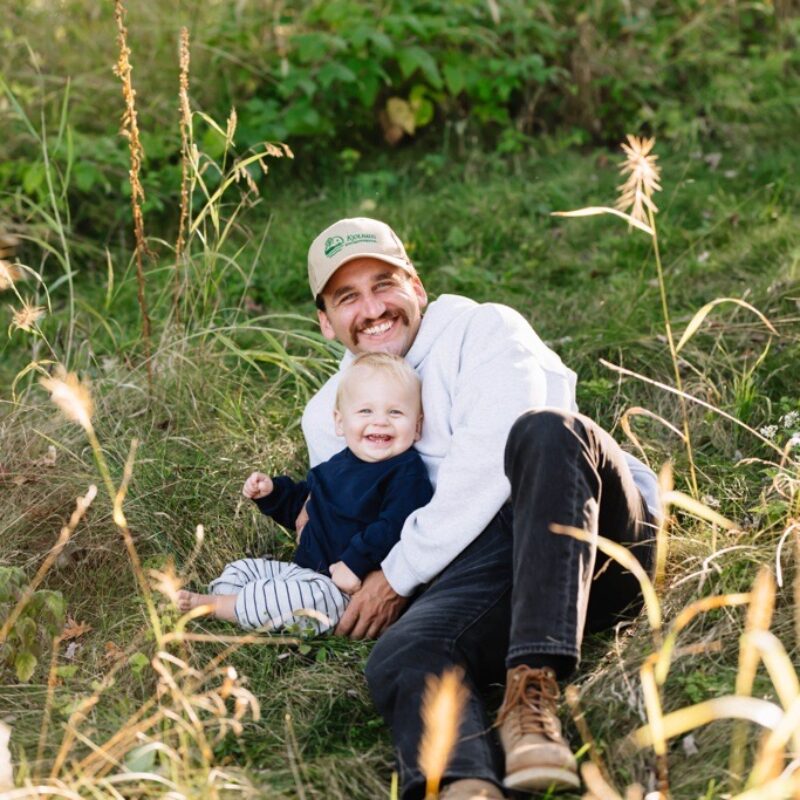
The Blue Thumb team recently connected with Alex Brose, Project Manager-Estimator at MNL and a Lawns to Legumes volunteer coach, to talk about native plants, pollinator habitat, and what it takes to begin restoring a landscape—whether that project is a city shoreline, a schoolyard, or a small backyard.
You may already know MNL as a Minnesota-based company that sells native plants—but their work goes far beyond plant sales! MNL specializes in restoration at many scales, from 500-acre streambanks and large shoreline plantings to the smaller landscapes people live with every day.
How a Backyard Project Became a Career Path
Alex’s own path into restoration started at home. Before joining MNL, he worked in a different field. After moving to his Bloomington home in 2020, he began removing buckthorn from his backyard because it was blocking the view of a marsh behind the house.
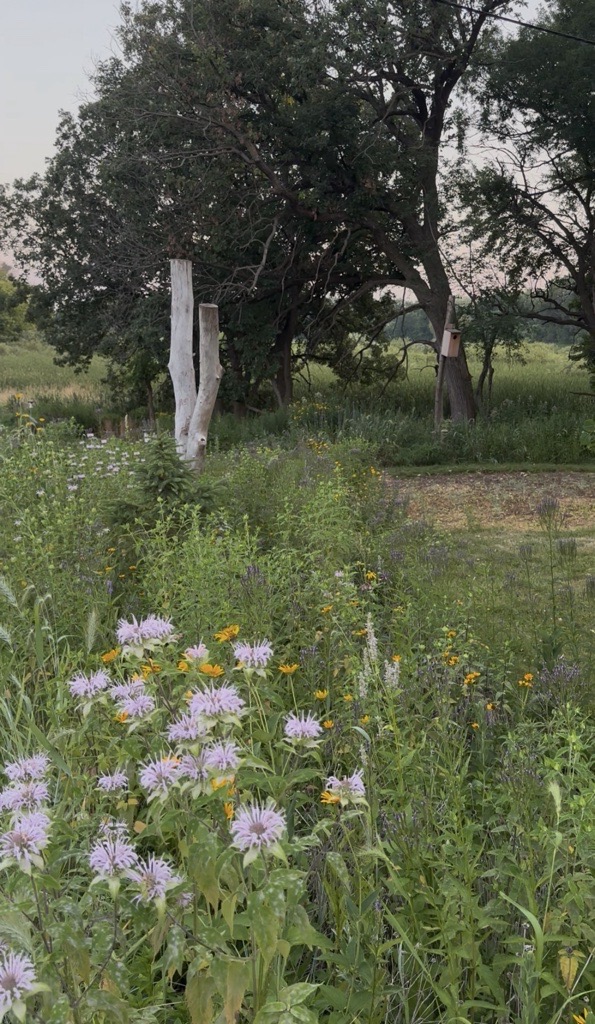 That practical first step opened the door to native planting. With support from both a Nine Mile Creek Watershed District grant and a Lawns to Legumes grant, Alex began converting more of his outdoor space into pollinator habitat.
What began as a yard project grew into a deeper passion for native plants. Alex continued learning, and completed several certifications including a landscape computer design course from Hennepin Technical College. Eventually, he saw an open position with MNL and applied to see what would happen.
“I would encourage people that want to be in this field to look for opportunities and get involved locally” Alex shares, whether that be through volunteering, attending workshops, or exploring jobs.
Restoration at Every Scale
 “MNL’s tagline is ‘We exist to heal the earth,’ and that has always resonated with me,” Alex shares.
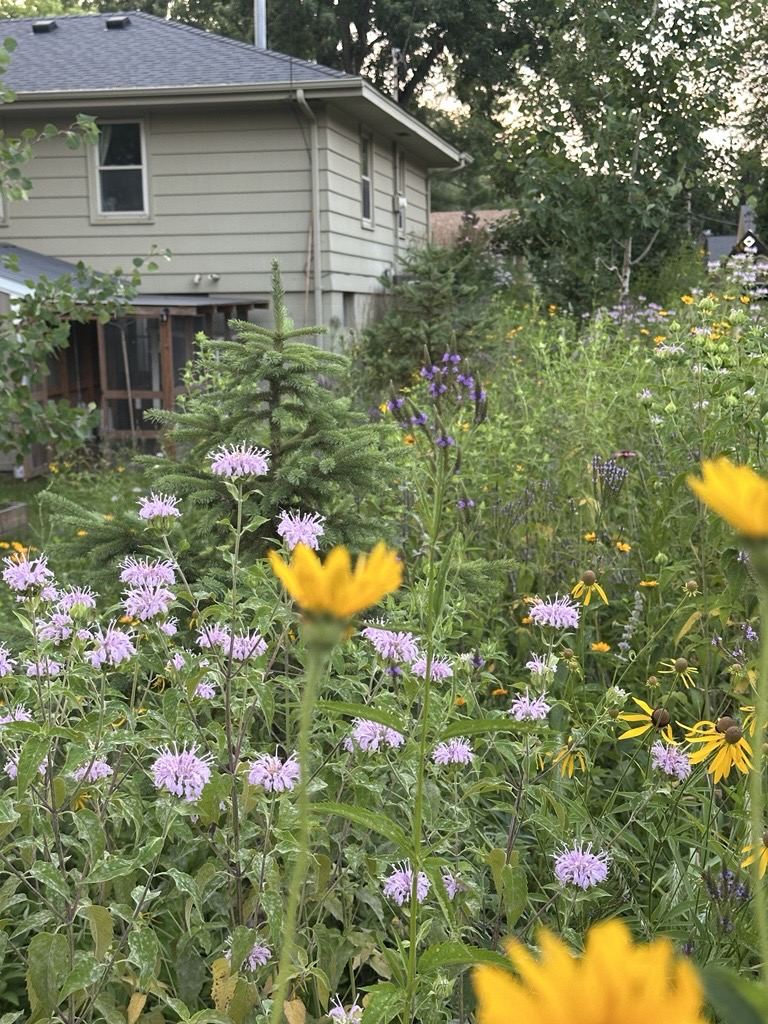
In his work, Alex mainly focuses on residential-scale projects like converting front and backyard turf lawns into native plantings, but he has also worked on shoreline projects and projects for schools and cities.
“I could be working in a Minneapolis backyard one day and on a remnant prairie restoration the next.”
That range is part of what makes MNL’s work distinctive. Their services include local origin seed and plant production, project design and implementation, professional ecological services, consulting, prescribed burns, and conservation grazing.
Start with Observation, Then Dream
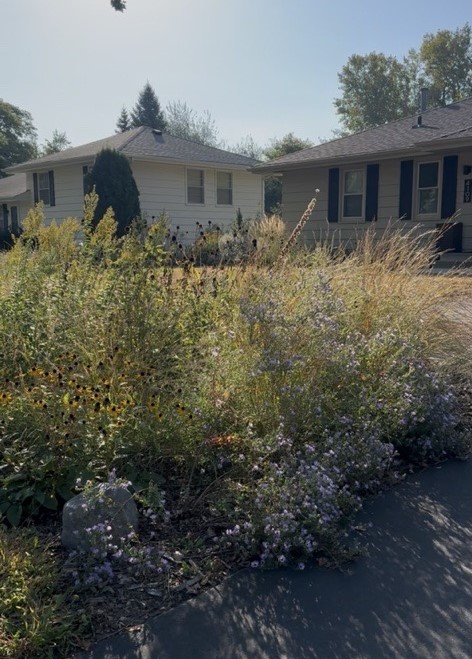 In both his work at MNL and his volunteer role as a Lawns to Legumes coach, Alex often talks with people who are just beginning to imagine a yard restoration or pollinator habitat project and are not sure where to start.
“People will tell me they are stuck in the dreaming phase—I try to remind them it’s okay to be there, because it’s where so much can happen—that’s where I found the grants that made my projects possible,” Alex shares. “But eventually you gotta pick up a shovel and go for it.”
Alex’s advice is to begin by looking closely at what is already there. “Take a look at what you have first, then think about what you want and why you want it,” he says. Being honest about your motivation can help shape a project that benefits you as much as wildlife and the environment. “When I started, it was because I just wanted a better view of the water,” Alex admits.
You can reach out to MNL for an onsite consultation to talk through ideas, then choose to follow up with a design for a DIY project or a project completed by MNL’s team—including invasive species removal beforehand and maintaining the project in the years after installation.
Why Small-Scale Restoration Matters
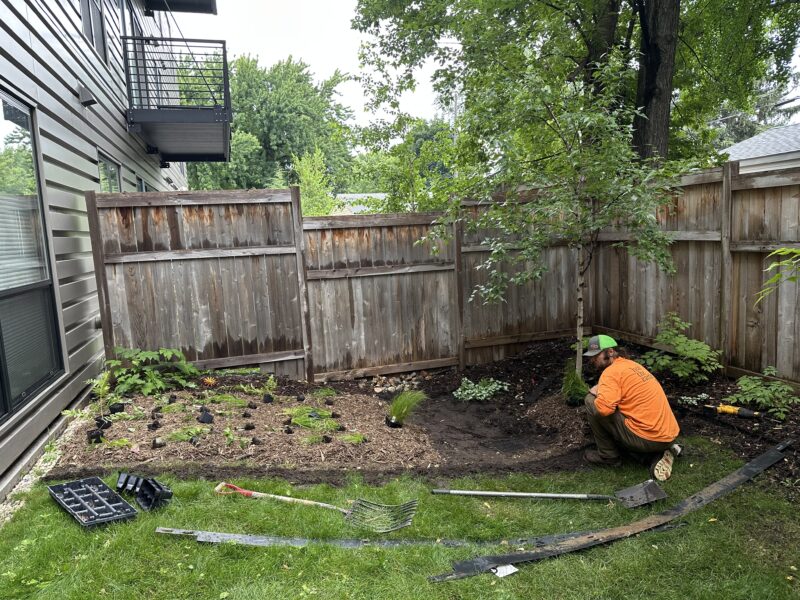
Large restoration projects are essential, but smaller-scale yard projects have a powerful role to play too. Alex notes that residential restoration can create habitat, build soil health, and help manage water—while also strengthening people’s everyday connection to nature.
“At my house, it helped create a sense of place,” Alex says. “My house feels more like a home now, and I think people feel that intentionality when they walk by. It’s so nice to go out and see just how many living beings we share our small yards with.”
Two Keys to Success: Prep and Maintenance
For someone starting a small-scale restoration project for the first time, Alex recommends paying special attention to two things that can make or break a planting: preparation and maintenance. The planting itself matters, but what happens before and after installation is crucial for long-term success.
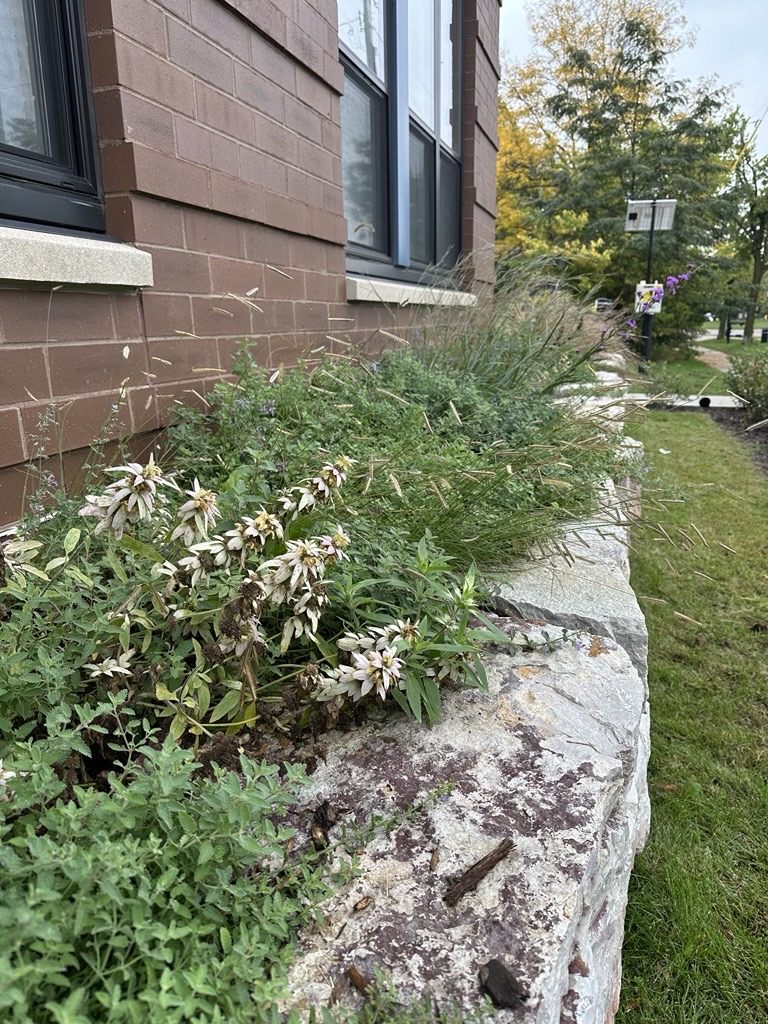 “The prep period sometimes needs to take over a full growing season to kill off existing vegetation, which people aren’t used to,” Alex says. He also recommends taking time to draw out and visualize different designs, watch how the sun moves over the site, and observe soil moisture over time.
Maintenance is just as important. The common guidance is to spend more time weeding during the first three years of establishment, but some type of management will always be part of the process. “But it’s not about being pristine,” says Alex. It is about reinforcing what you want to be there by reducing weed pressure so native plants can gain a stronger foothold over time.
For people worried about a native planting looking messy, Alex recommends designing with plant height in mind and creating clear boundaries for the planting area. Even a clean turf edge can make a big difference in helping a native landscape look intentional.
Ready to Begin?
If you are dreaming about replacing turf, adding pollinator habitat, or restoring part of your yard, the best place to start is by observing what you have, clarifying what you want, and taking one step at a time. MNL offers project support from consultations to implementation. The Backyard Tips section of MNL’s website also offers more resources for project planning, maintenance, and more.
Thank you, MNL, for your support of Blue Thumb as a marketing sponsor!